One simple activity.A clearer picture of how your child grows.
Each day we suggest one gentle art experience, you note what you noticed, and we track your child's focus, confidence, and skill across nine developmental areas — building a keepsake book of the journey along the way.
A creative arts resource, not an approved program.
Two minutes, once a day
No pressure to do it every day, no notifications demanding attention. Just today's evidence, rated, explained, and kept.
Your child never uses a screen. The app, including its AI, is for you, the adult — your child just gets messy.
Charlie's Book
A family keepsake, built one day at a time — separate from the profile, entirely yours. Every check-in adds a page: the date and a line worth remembering. You add the photo that makes it real.
It's not a report for an institution. It's the book your child will ask to look through in ten years. You add the photos — the first word, the first scissor cut, the messy moments that matter — each day.
Do / Notice / Read / Grow
The nine developmental areas
Nine developmental areas. One neuroscience footnote each.
Every activity in the extensive corpus is analysed across the same nine developmental areas — the difference between "a nice moment" and evidence you can trust.
Why this exists
Most apps track your child.
This one develops them.
Milestone trackers turn development into a checklist. Process art turns it into evidence you can actually watch happen — and keep.
- –Development reduced to boxes ticked off an age chart
- –Activities picked from a generic library of hundreds
- –Photos filed away, rarely looked at again
- –Success looks the same for every child
- ✓Nine developmental areas rated from what your child actually made today
- ✓One recommendation, chosen for your child specifically
- ✓Every photo becomes a dated page in a book you keep
- ✓Success looks like their own trail, growing daily
Evidence · Curiosity · Integrity
"Process art is core to holistic child development — shaping a stronger, more adaptable, more emotionally resilient child during their most formative years."
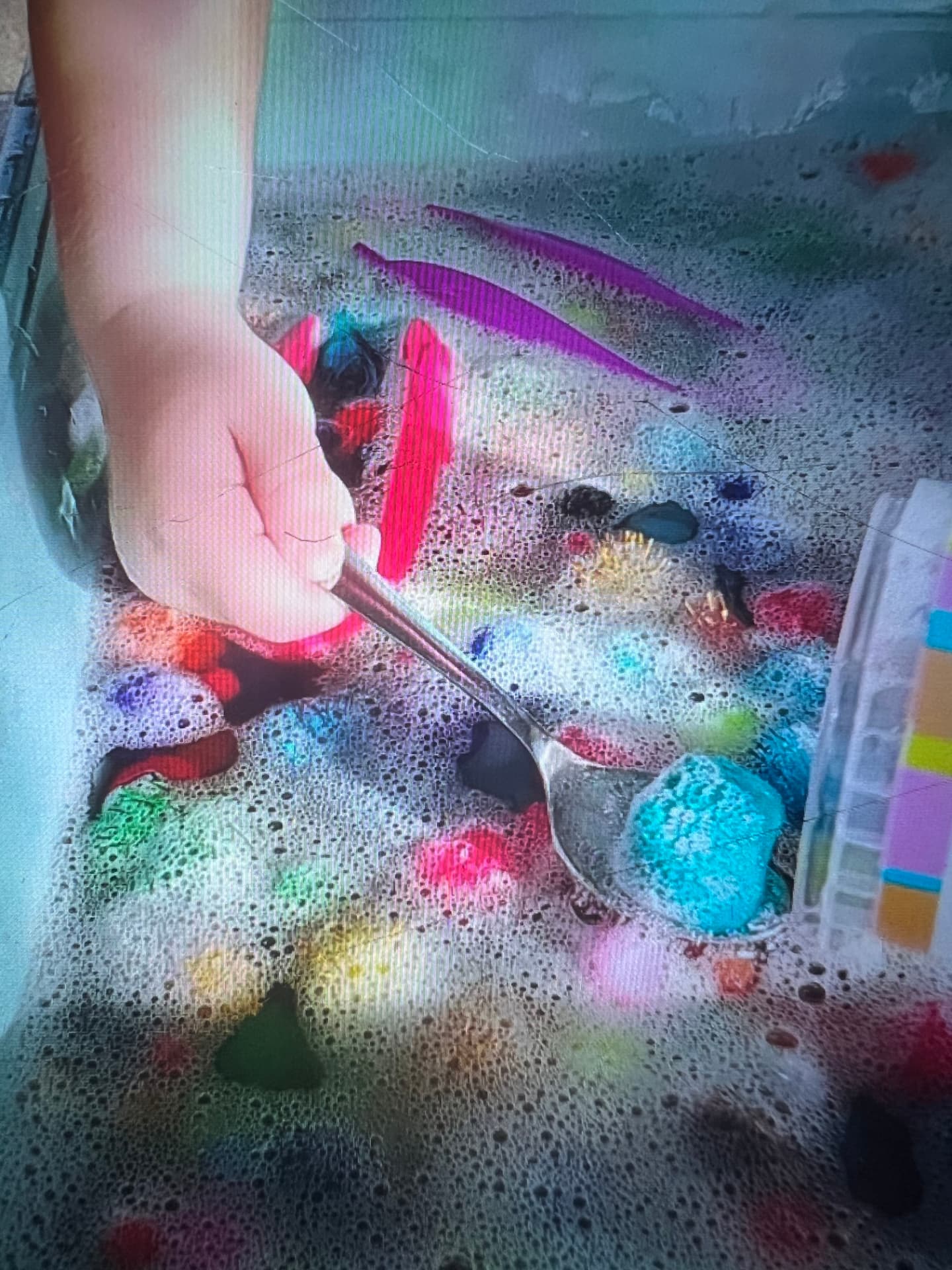
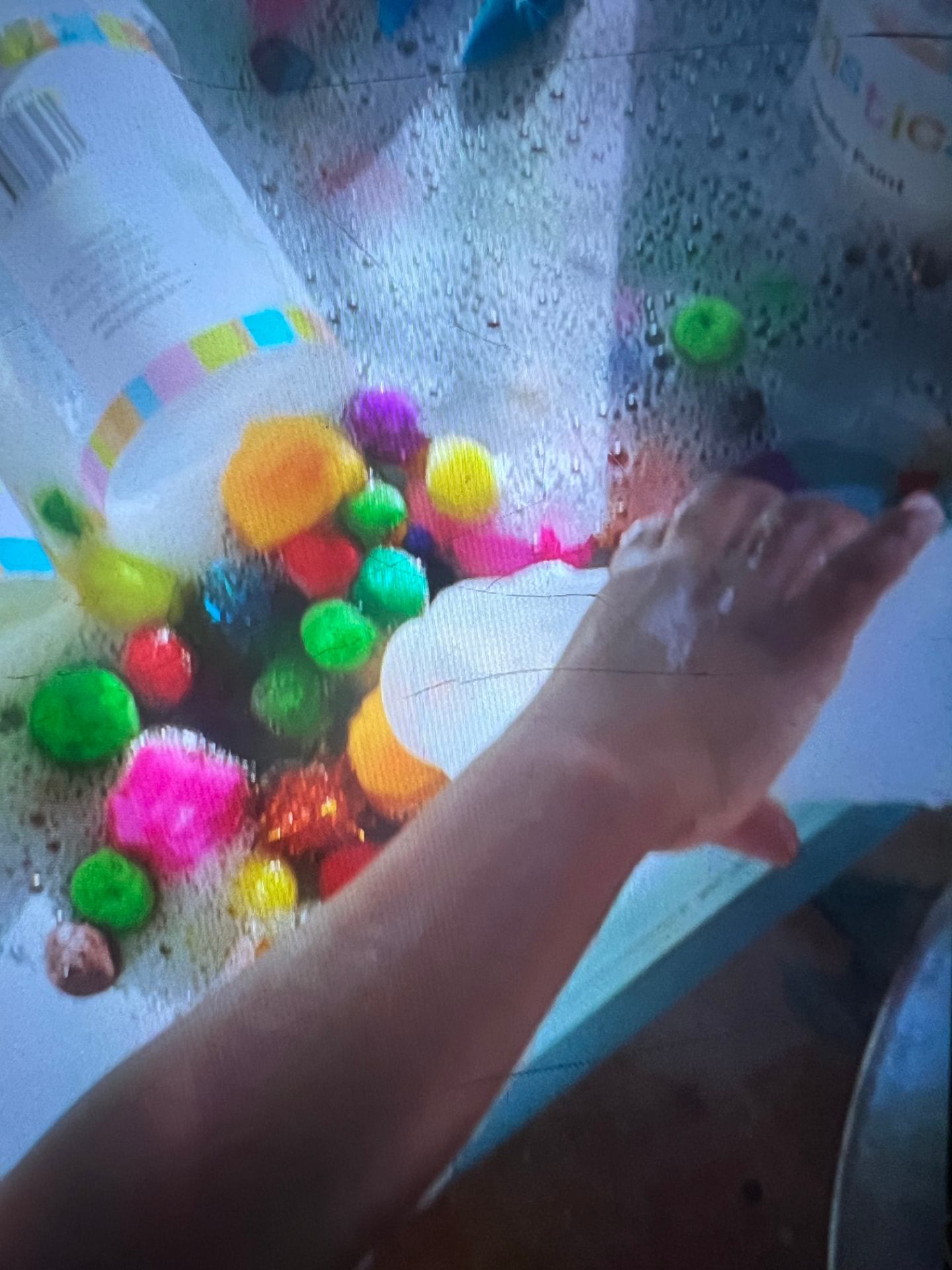
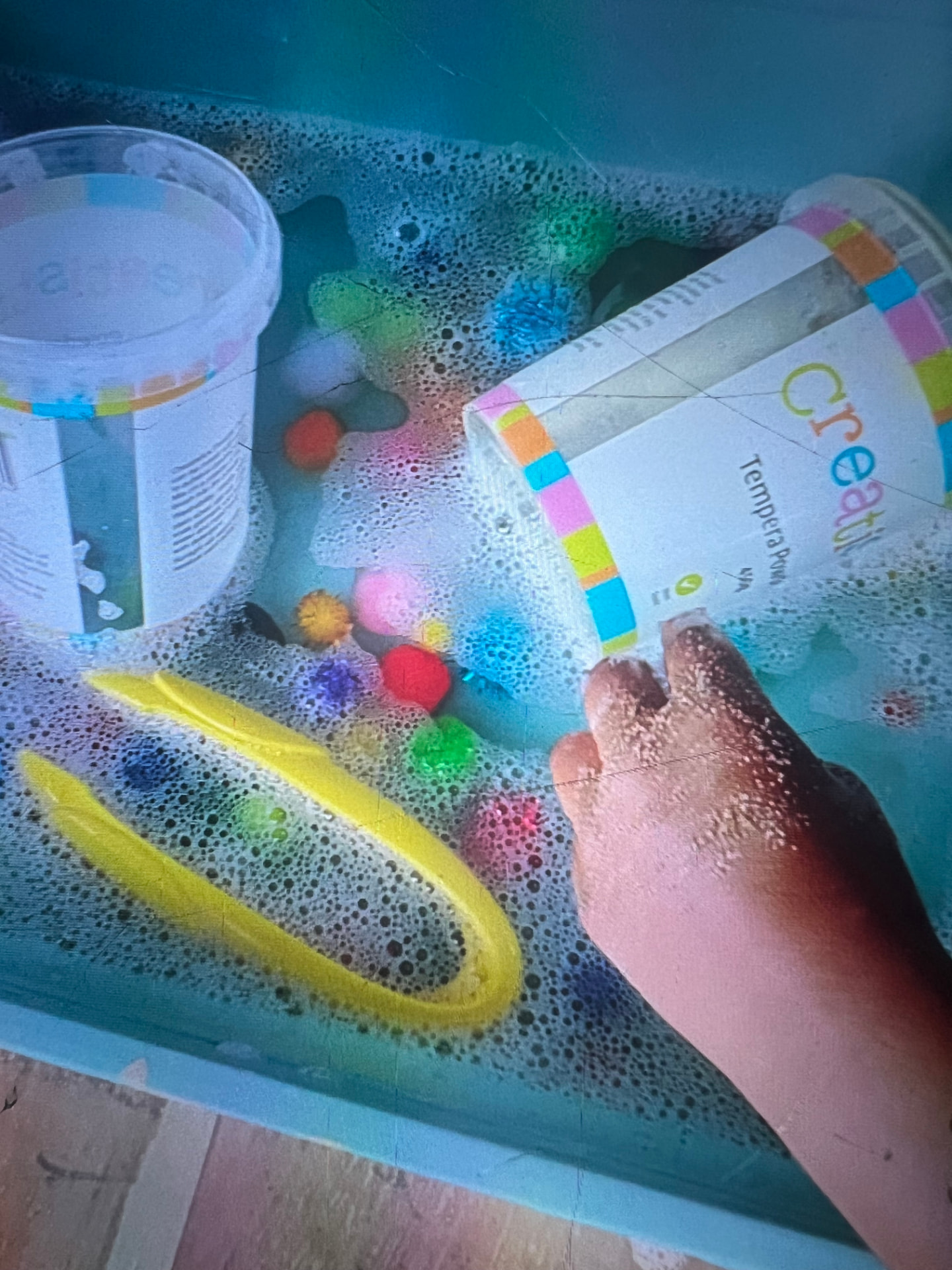
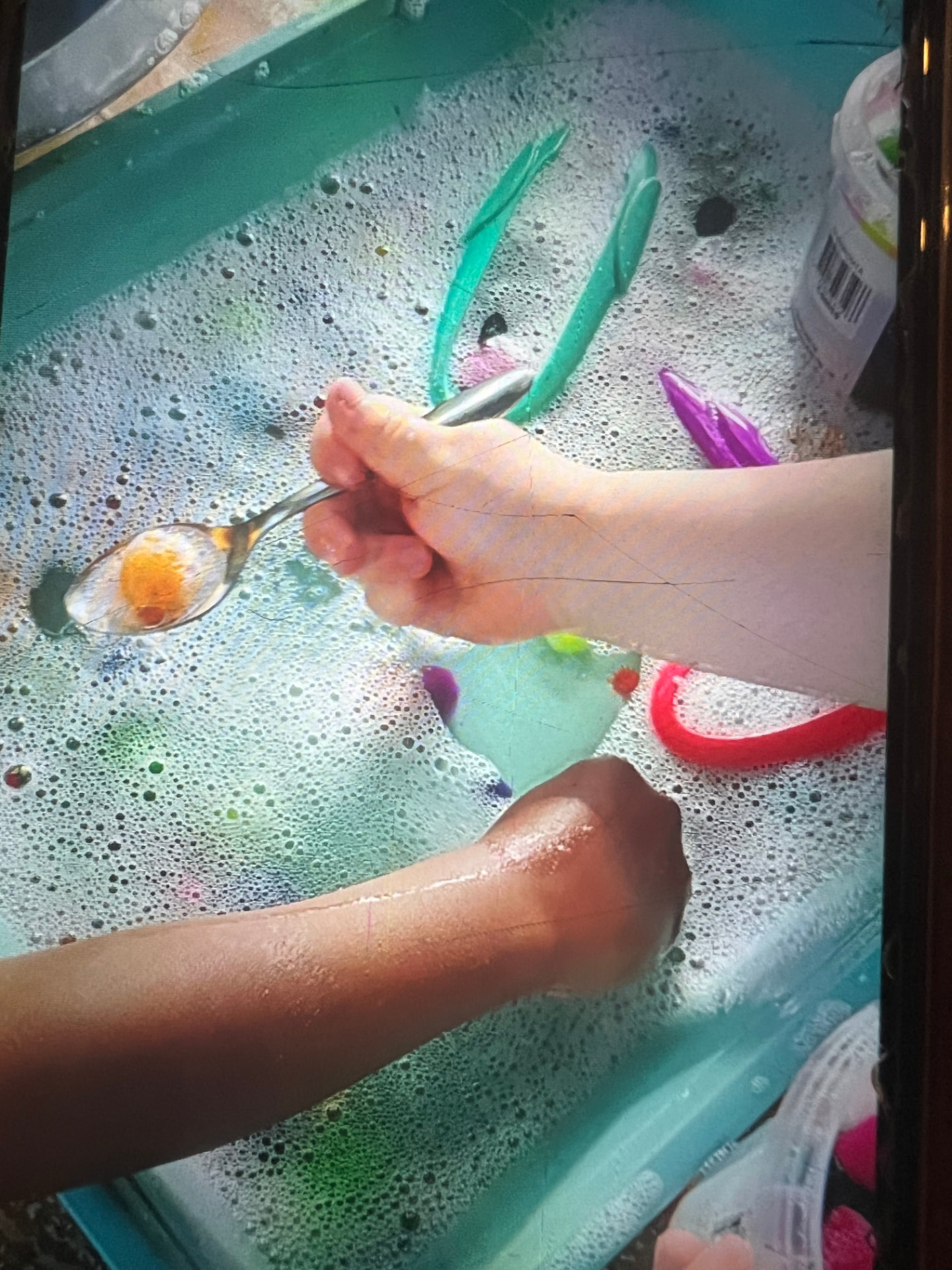
Real mess. Real hands. Real focus.
Real mess. Real hands. Real focus.
Built and tested with one real family
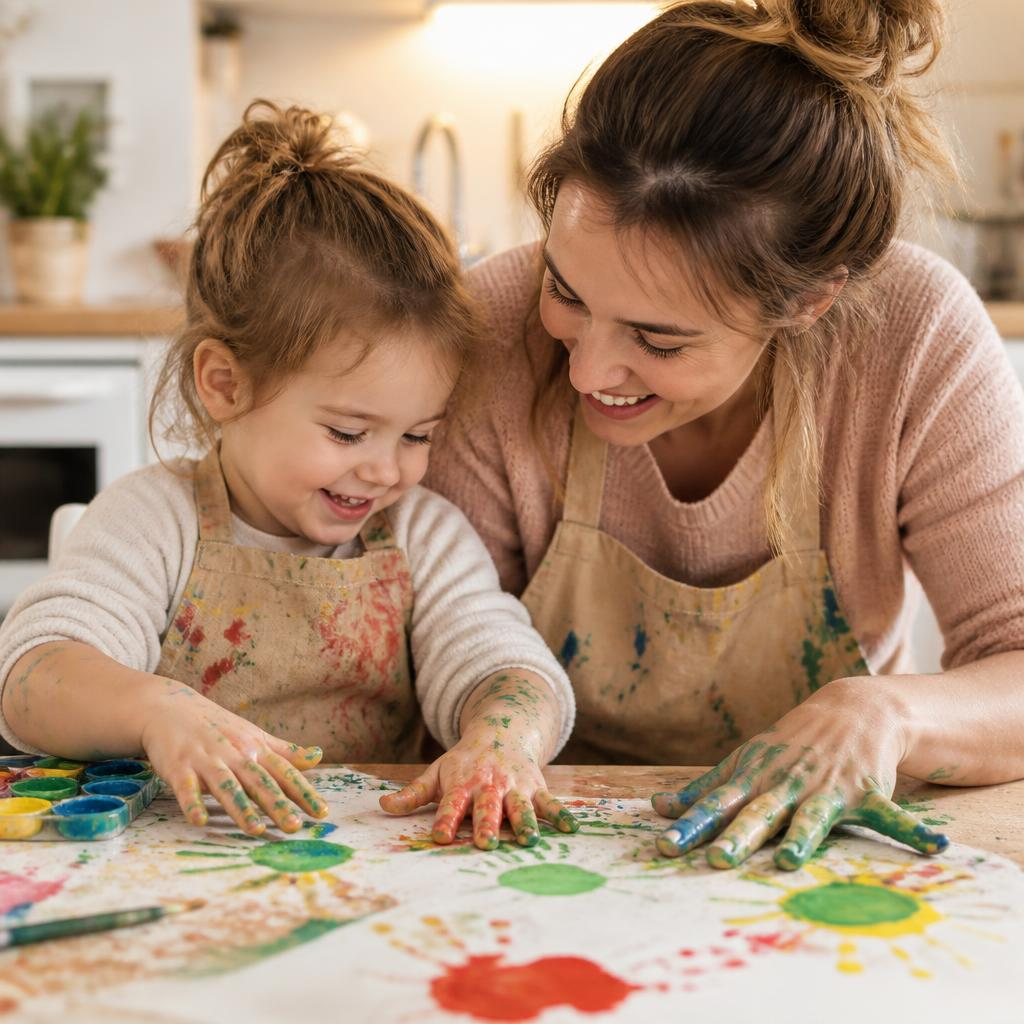
"We didn't want another app measuring our kid against a chart. We wanted to remember what he actually did with his hands today — and we still read the book back to him."
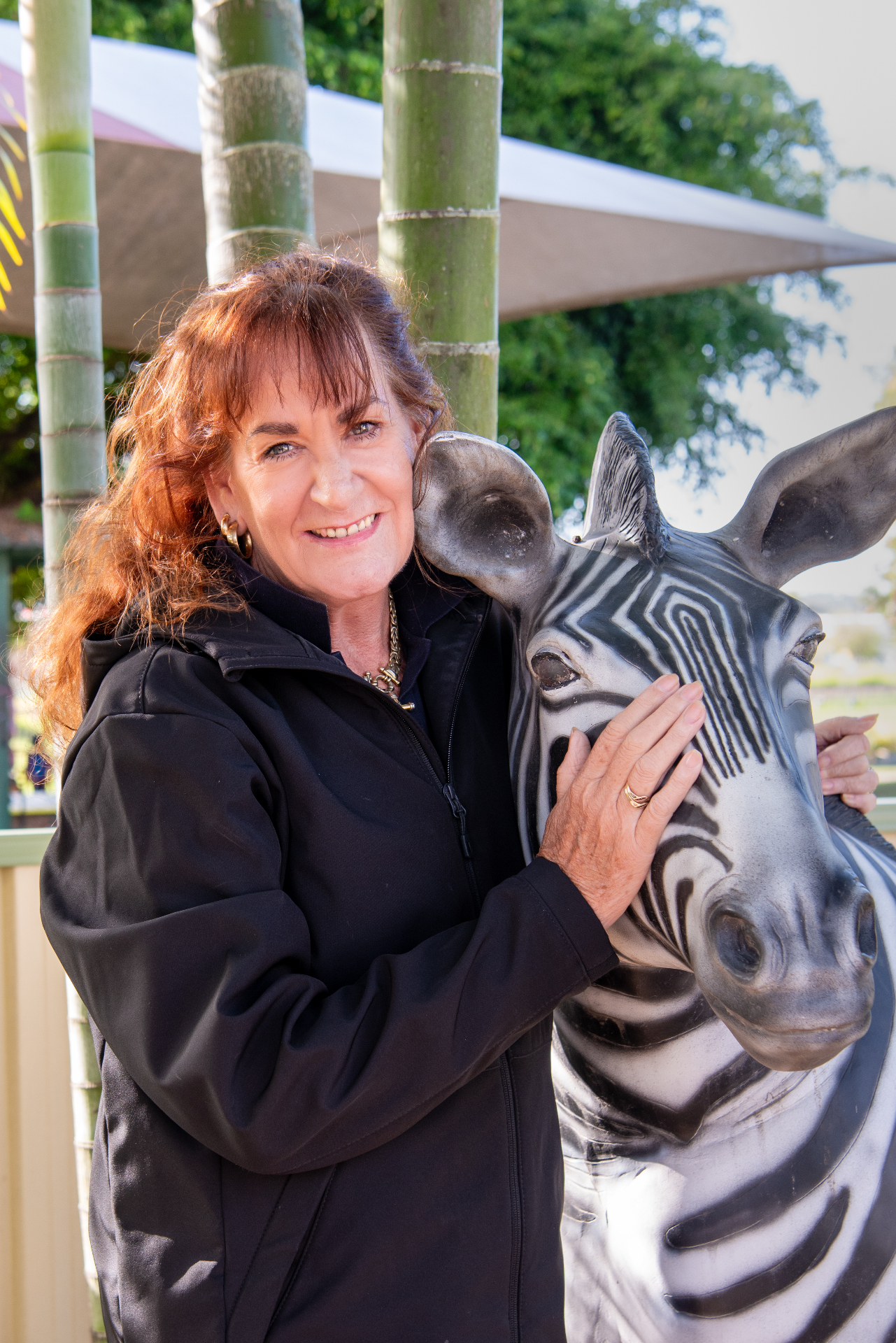
Gillian Train
Gillian Train is a practitioner, researcher, and author with many years of documented process art in different settings. She is the sole author of the extensive activity corpus at the centre of The Process Art Academy — every activity analysed across nine developmental areas and mapped to Early Years Learning Framework outcomes, evidenced in the child's own words.
"Is this in the best interests of the child?" — the question against which every decision is measured.